


Some investment property purchases are straightforward because the numbers are small. This one was the opposite. A domestic US resident bought a $1,255,000 single-family investment property in Sevierville, Tennessee, and the financing needed to match the size and seriousness of the deal.
The file was registered on January 8, 2026. It closed on February 5, 2026 with a 30-year Full Doc mortgage at 6.125%, approved at $1,004,000 with 20% down.
Investment Highlights
Loan Details
Approved loan amount: $1,004,000
Loan type: Full Doc
Down payment: 20%
Interest rate: 6.125%
Loan term: 30 years
Property Details
Property address: Sevierville, TN 37862
Property use: Investment Property
Property type: Single Family House
Purchase price: $1,255,000
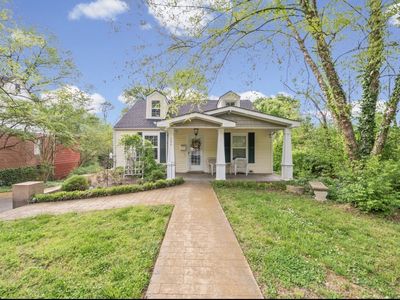
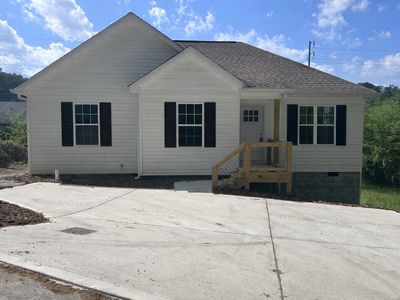
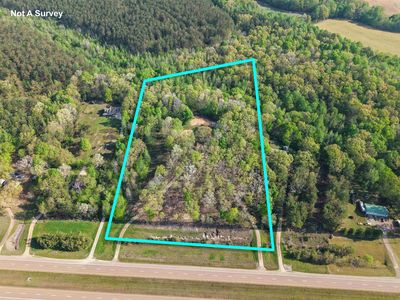
Investment Properties on Sale in Tennessee Today


The Borrower’s Objective
This investor was not buying a primary residence. The goal was to finance an investment property with a structure that keeps the plan durable over time.
A 30-year term matters in investment property strategy because it gives a long runway for holding, renting, and managing the asset while the mortgage stays predictable. In our experience, borrowers who plan to hold long-term tend to value term certainty as much as the rate itself, especially on higher purchase prices.
The Property and Why the Structure Had to Be Clean
The property was a single-family house at Sevierville, TN 37862, purchased for $1,255,000 as an investment property.
At this price point, the financing structure becomes the foundation of the investment plan. The down payment, the approved loan amount, and the loan term are not just line items. They shape how the investor allocates liquidity across reserves, improvements, and operating costs after closing.
The Financing Terms
This case closed as a Full Doc investment property mortgage with the following final terms:
- Approved loan amount: $1,004,000
- Down payment: 20%
- Interest rate: 6.125%
- Loan term: 30 years
What “Full Doc” means
A Full Doc loan qualifies the borrower using verified documentation, including the information used to support the final loan decision. The reason this matters is that Full Doc underwriting is designed for loans where the borrower’s documented profile is central to approval, rather than qualifying primarily from the property’s rent coverage.
To be clear, “Full Doc” does not automatically mean the same documentation set for every borrower. The exact items depend on the file, the loan program, and the borrower profile. This case study only states the loan type and final terms that closed.
Timeline: Registration to Closing
This file moved from registration to close in 28 days.
- January 8, 2026: Registration
- February 5, 2026: Closing
One practical checkpoint in any mortgage closing is the Closing Disclosure, because it is the document that shows the final terms and costs. Lenders are required to provide the Closing Disclosure at least three business days before closing for most mortgages, which gives borrowers time to review and ask questions before signing.
In our experience, the smoothest closings happen when the borrower treats that three-business-day window as a final verification step rather than a formality.
Closing Outcome
The borrower closed on February 5, 2026 with:
- A $1,004,000 approved loan amount
- A 30-year term
- A 6.125% interest rate
- On a $1,255,000 single-family investment property purchase in Sevierville, TN
- With a 20% down payment

Steven Glick,
Director of Mortgage Sales, Ziffy
What This Case Teaches Investors
1) On higher-price investment purchases, down payment controls the lane early
With a 20% down payment, this transaction financed $1,004,000 of the purchase. That one decision sets the financing shape and changes what is possible for the borrower’s post-closing liquidity planning.
2) Term is part of investment risk management
A 30-year term is not just about monthly payment. It is a long-horizon structure that supports a hold strategy by keeping the mortgage stable for the long run.
3) Property taxes still need a real plan in Tennessee
Even when the mortgage terms are locked, operating costs can move. In Tennessee, property taxes are calculated using components such as appraised value, the assessment ratio, the resulting assessed value, and the local tax rate. Investors should underwrite with how the county calculates the bill, not guesswork.