






Editorial Integrity
Making sound real estate investment decisions begins with reliable, data-driven insights. At Ziffy.ai, we offer an AI-native real estate investing, proprietary data-driven trend analysis, investment mortgage programs like DSCR loans, and a network of over 500 investor-friendly real estate agents to deliver the expertise needed for informed decisions. Our content is crafted by experienced real estate professionals and backed by real-time market data, ensuring you receive accurate and actionable information. Through a rigorous editorial process, we strive to empower your investment journey with trustworthy and up-to-date guidance.
Investors in Los Angeles, San Francisco, New York, Boston, and other expensive metros are running into the same problem. A property can cost $800,000 or more, require a six-figure down payment, and still produce rent that barely covers the mortgage before taxes, insurance, vacancy, repairs, and property management.
In markets three or five states away, the same dollar amount can buy a rental that has a much better chance of supporting cash flow.
A single-family rental in a Columbus suburb, an Indianapolis neighborhood, a Tennessee market outside Nashville, or a Texas suburb near Dallas may trade at a much lower purchase price. The monthly rent may be lower too, but the relationship between price and rent can be stronger. That gap is what makes out-of-state real estate investing practical for investors who want income, not just appreciation.
At Ziffy, we see this pattern across investor searches and DSCR (debt service coverage ratio) loan conversations every week. As of March 2026, Ziffy tracked 964,477 active US listings, up roughly 23.5% year over year. A meaningful share of that investor demand comes from buyers who live in high-cost markets and want to acquire rental properties in lower-priced, higher-yield metros.
Out-of-state investing works when the decision is built on market data, rent support, local execution, and financing that fits the asset. It breaks when the investor buys a cheap property in a market they do not understand, uses optimistic rent assumptions, and talks to a property manager only after closing.
This guide walks through the full process: how to choose a market, how to research properties remotely, how to build a local team, how DSCR financing works for remote investors, and what Ziffy sees most often in out-of-state deals that either close cleanly or fall apart.
Table of Contents
The Math Behind the Move
The first screen for out-of-state investing is usually the price-to-rent relationship. The calculation is simple:
Price-to-rent ratio = purchase price ÷ annual gross rent
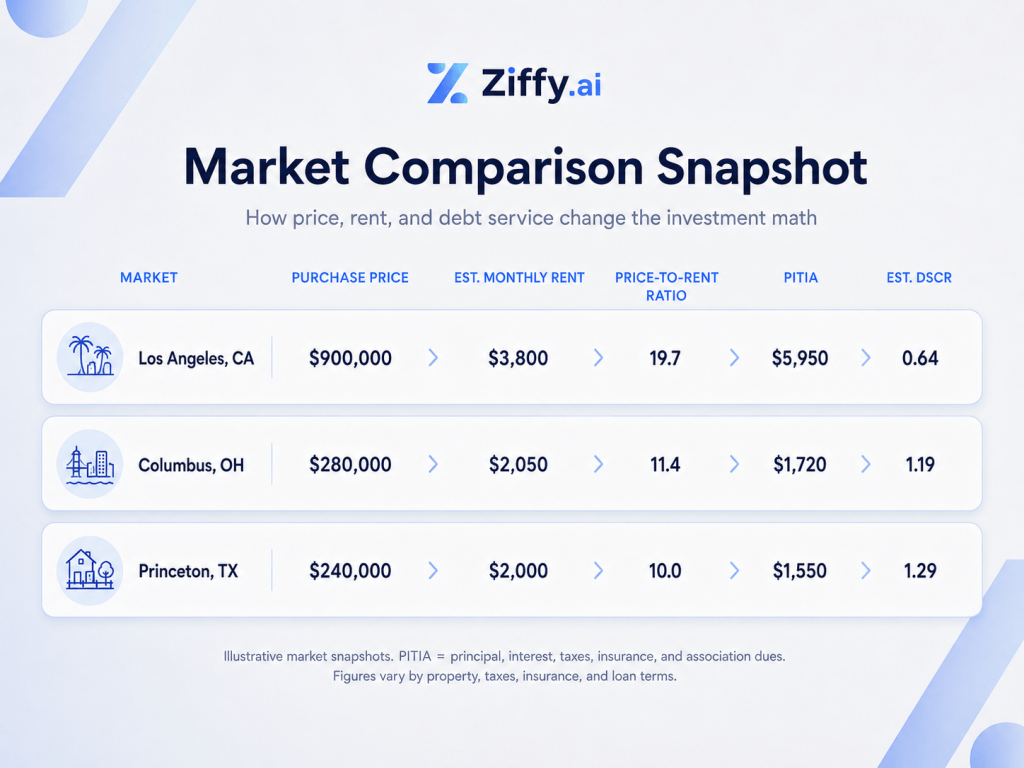
- A $240,000 property renting for $2,000 per month has a price-to-rent ratio of 10.0.
- A $900,000 property renting for $3,800 per month has a price-to-rent ratio of 19.7.
That difference explains why an investor living in a high-cost coastal market may buy in Texas, Ohio, Tennessee, Indiana, Kentucky, or North Carolina instead of buying near home.
As a rough screen, a ratio below 12 often gives investors a better chance of finding cash flow at standard leverage. A ratio above 20 usually points to an appreciation-heavy market where the property may need a larger down payment, lower interest rate, or aggressive rent growth assumption to carry itself.
The ratio is not the final underwriting answer. It does not account for property taxes, landlord insurance, vacancy, repairs, homeowners association dues, property management, or full PITIA (principal, interest, taxes, insurance, and association dues). A low purchase price can still be a weak deal if taxes and insurance eat the margin.
The cash flow calculator is where the ratio becomes a real investment decision. Test rent, principal and interest, property taxes, insurance, association dues, management, vacancy, and repair reserves before making an offer.
National buyer behavior also shows how competitive the market remains for financed buyers. The National Association of Realtors found that first-time buyers fell to a record-low 21% share of recent home buyers in its 2025 Profile of Home Buyers and Sellers. NAR’s Realtors Confidence Index analysis also found that 56% of investment buyers in its latest 10-month data purchased with all cash. Those figures do not mean every investor needs to pay cash, but they show why financed investors need clean underwriting and credible pre-qualification before they compete for rental inventory.
What Actually Makes a Market Worth Buying In
A low purchase price is not a strategy. A cheap property in a weak rental market can become more expensive than a higher-priced property in a market with stronger demand, better employment depth, and cleaner local execution.
In our experience, the investors who build durable out-of-state portfolios screen markets before they screen addresses.
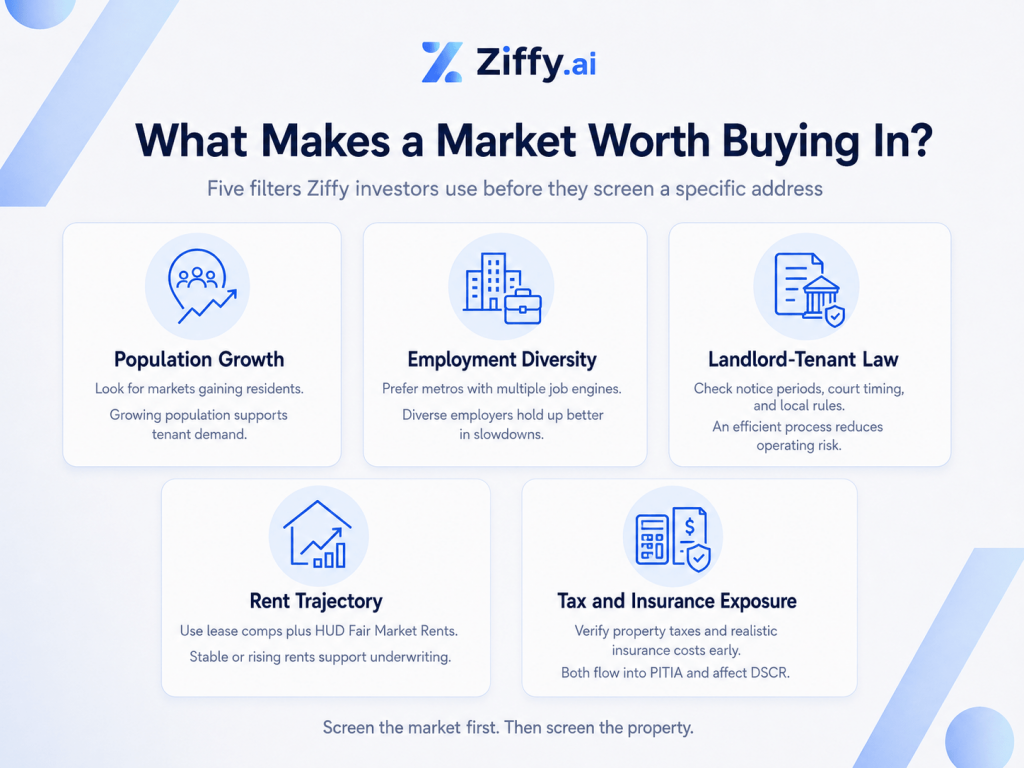
1. Population growth is the most durable first filter. A market gaining residents has a growing base for tenant demand without requiring aggressive rent assumptions to make the math work. The US Census Bureau’s migration data helps investors review domestic migration patterns and identify markets gaining or losing residents.
2. Employment diversity determines whether that growth holds during economic slowdowns. A market built around one employer or one industry can look strong until layoffs hit that sector. Healthcare, logistics, higher education, government, manufacturing, and professional services together create a more resilient tenant base. Bureau of Labor Statistics local area unemployment and metro employment data helps investors check whether a market is adding jobs, losing jobs, or relying too heavily on one economic engine.
3. Landlord-tenant law is where weak market screening gets expensive. A market can show a good cap rate and still carry real operational risk if the nonpayment or possession timeline runs longer than the investor modeled. Texas, Indiana, Ohio, Tennessee, and North Carolina are often viewed as more landlord-friendly than California, New York, or New Jersey, but investors should still verify state, city, and county rules before buying. A four-to-six-week process is very different from a process that can run several months once notice periods, court scheduling, legal cost, and local tenant protections are included.
4. Rent trajectory tells you where the market is heading, not just where it is today. HUD Fair Market Rents are not a substitute for current lease comps, but they are a useful public benchmark for checking whether market rents are broadly supported. HUD publishes FMRs by metropolitan area and nonmetropolitan county and defines them as estimates of 40th percentile gross rents for standard-quality units.
5. Tax and insurance exposure is the line investors most consistently underestimate. The Tax Foundation’s property tax comparison shows how widely effective property tax rates vary by state and county. Texas can carry materially higher property taxes than many investors expect, even though it has no state income tax. Parts of Florida and the Gulf Coast can carry higher insurance premiums because of weather and carrier exposure. Both inputs land inside PITIA, which means they affect DSCR before the file reaches underwriting.
As of Q2 2026, Ziffy sees consistent out-of-state investor activity across Texas suburban markets, Ohio metros such as Columbus and Cleveland, Tennessee markets near Nashville and Chattanooga, North Carolina markets around Raleigh-Durham and Charlotte, and Indiana markets around Indianapolis.

Dorian Adams-Walker
Mortgage Loan Originator
Ziffy Mortgage
NMLS #2442830The investors who buy well out of state are not guessing on markets. They usually screen three or four metros against population trends, job base, landlord rules, rent support, and tax exposure before they ever look at a specific address. That first layer of discipline saves a lot of bad offers.
For a broader market screen, compare this guide with Ziffy’s best places to invest in real estate an highest ROI cities research.
How to Research Properties From 1,000 Miles Away
Remote investing requires more disciplined sequencing, not less due diligence. The same questions that a local investor answers by driving by the property on a Tuesday have to be answered through data, local people, inspections, rent support, and a tighter offer process.
Before you model return, write an offer, or call a lender, verify what the property can actually rent for. Do not rely only on the listing description, a seller’s claim, or a top-of-range estimate from a public aggregator. Those numbers can be useful as a first glance, but DSCR underwriting does not approve the loan from a seller’s best-case rent story.
For DSCR loans, the rent used in underwriting is usually supported by the appraiser’s rent schedule, such as Form 1007 for a single-family rental or Form 1025 for a two-to-four-unit property. Ziffy’s DSCR loan calculator explains that lenders generally use the lower of appraiser-supported market rent or actual lease rent for qualification.
A deal that works only at the highest possible rent is a fragile deal. If the appraiser’s market rent comes in 10% lower than your assumption, the DSCR can move from comfortable to borderline quickly.
A pattern we see often is that investors price the deal using the rent they want to charge, not the rent the appraiser can support. If the DSCR only works at the top of the rent range, the file is already tight before underwriting starts.

Use three rent checks before offer: recent leased comps in the same neighborhood, HUD Fair Market Rent or Small Area FMR as a public benchmark, and Ziffy’s rent and cash flow analysis on the target property.
A live Ziffy listing from Georgetown, Kentucky shows why this belongs at the front of the process. The property at 112 Blue Bill Ct, Georgetown, KY 40324 is listed at $490,000 with an estimated monthly rent of $3,064. Ziffy’s DSCR rental loan section shows $2,787 in total monthly debt service, producing a 1.10 DSCR and marking the property as qualifying based on rental income. The DSCR view should be available before the offer, not discovered after the appraisal, because even a small difference in rent, taxes, insurance, or loan terms can change whether the deal clears the standard DSCR threshold.
Investment Properties on Sale in Georgetown Today
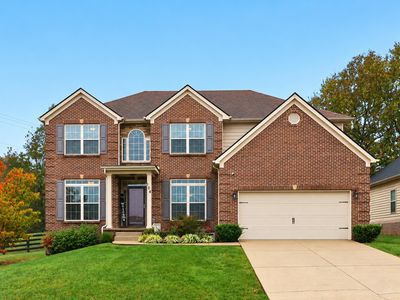


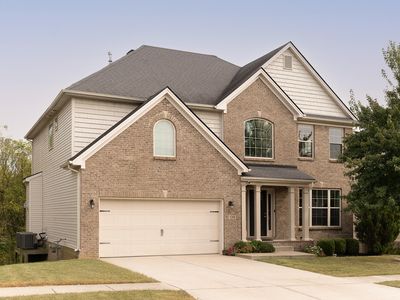
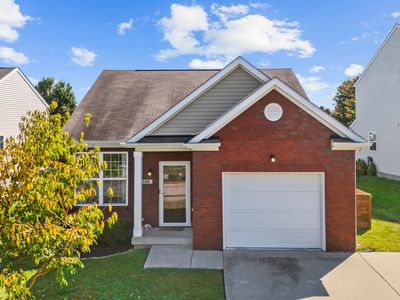
After rent, move to condition. Virtual tours help eliminate bad candidates. They do not confirm a property. Use virtual tours, listing photos, Google Street View, property records, and neighborhood research to narrow the list. Then rely on a strong inspection process inside the contract window.
In Texas and the Southeast, HVAC age and roof condition deserve extra attention. In the Midwest, sewer line condition, foundation movement, drainage, and older mechanical systems can create real post-close costs. In condo or townhouse deals, association dues, reserves, insurance coverage, rental restrictions, and pending special assessments need direct verification.
A $500 to $900 inspection package can feel expensive when you are still deciding whether to close. It is much cheaper than discovering a major system issue after you already own a property in a state you cannot drive to on Saturday morning.
The rental property ROI calculator and cap rate calculator can help you test whether the property still works after adding conservative repair, vacancy, and management assumptions.
The Team You Need Before You Make an Offer
Managing a rental from a thousand miles away works because of the people you put in place locally, not in spite of the distance.
Three roles should be in place before the offer: an investor-friendly agent, a property manager, and an inspector.
An investor-friendly agent is not the same as a standard buyer’s agent. You need someone who understands rental comps, investor contingencies, DSCR timing, inspection risk, title issues, and what local tenants actually want. A property that photographs well may still be a weak rental if the neighborhood has slow leasing, poor school demand, heavy turnover, or repair issues that local investors already know to avoid.
The property manager conversation should happen before the offer, not after closing. Ask what the property would realistically rent for, how long similar homes take to lease, what management fees apply, what maintenance costs are typical, what tenant profile the property attracts, and whether the manager would personally take the property into their portfolio.
Management fees for single-family rentals often run around 8% to 12% of monthly rent, but the fee alone is not the whole story. Leasing fees, renewal fees, inspection fees, maintenance markups, eviction coordination, and minimum monthly charges can all affect real cash flow.
Dorian Adams-Walker
Mortgage Loan Originator
Ziffy Mortgage
NMLS #2442830The property manager should be part of the offer decision. If the manager says the neighborhood runs a 10% vacancy assumption and the investor modeled 5%, the offer price should probably change.
The inspector is the third leg. Use a general inspector, then add specialists where the market demands it. Sewer scopes, roof checks, HVAC review, foundation evaluation, pest inspections, and pool inspections can all be worth the added cost depending on the state and property type.
For investors comparing long-term rental and short-term rental execution, Ziffy’s STR vs LTR guide is a useful companion because the team structure changes materially when the property depends on nightly bookings instead of a one-year lease.
How Out-of-State Financing Actually Works
The financing question for remote investors is whether the loan structure matches the purpose of the asset, not the borrower’s ZIP code.
Conventional investment property loans can work, but they are built around personal income. The borrower typically has to document income using W-2s, tax returns, pay stubs, employment history, and debt-to-income ratio. That can become restrictive for self-employed investors, borrowers with multiple financed properties, investors with significant tax write-offs, or buyers using an LLC.
A DSCR loan is different. It qualifies primarily based on the property’s rental income. The core formula is:
DSCR = gross monthly rent ÷ monthly PITIA
PITIA includes principal, interest, taxes, insurance, and association dues when applicable.
DSCR is the natural financing path for remote investors because the loan follows the property’s income logic. An investor in California can buy a rental in Texas. A New York investor can buy in Ohio. A Florida investor can buy in Tennessee. The borrower’s home state does not control the property’s ability to support the debt.
At Ziffy, DSCR loans are designed for real estate investors who want to qualify based on rental income without W-2s, pay stubs, tax returns, or DTI checks.
Review Ziffy’s full DSCR loan requirements before applying, since program terms can change based on market conditions, investor guidelines, property type, borrower profile, and underwriting review.
For investors buying in markets they do not live in, DSCR removes one of the biggest financing friction points. The loan is built around the rental property’s income, not the borrower’s W-2 or home ZIP code.

DSCR and conventional investment loans differ across several dimensions that matter specifically for remote buyers:
Factor | Ziffy DSCR loan | Conventional investment loan |
|---|---|---|
Income documentation | Not required on the core DSCR path | Usually required |
DTI check | No | Yes |
Qualification basis | Property rent and PITIA | Borrower income, credit, debt, and property |
LLC ownership | Generally eligible | More restrictive |
Multiple-property investors | Built for investor profiles | Can become documentation-heavy |
No-income-verification option | No-Ratio DSCR may be available | Generally not available |
Remote buyer fit | Strong | Depends on borrower income and documentation |
For investors planning to hold property through an entity, Ziffy’s investment property LLC guide explains when LLC ownership makes sense, how it affects loan structure, and why title and financing should be aligned before closing.
For investors using the BRRRR method, the DSCR refinance is often the permanent financing exit after the property is rehabbed, rented, and stabilized.
The Acquisition Process From Search to Close
Remote closings are common, but the harder part is keeping the file clean from the first search to the final Closing Disclosure.
Start with pre-qualification. A seller’s agent in an investor-heavy market will not treat an unsupported offer the same way they treat an offer backed by financing. Ziffy investors should get pre-qualified before serious property search begins, especially in markets where multiple investors may be bidding on the same rental-friendly inventory.
For a remote buyer, pre-qualification does more than confirm budget. It tells the investor what loan structure fits before they spend weeks analyzing properties that will not support the debt. That is especially useful when they are comparing two or three markets at the same time.
Then screen markets before properties. Use population trends, job base, landlord rules, rent support, taxes, insurance, and local price-to-rent ratios to narrow the search to two or three target markets. Ziffy’s AI-native real estate investing workflow helps investors compare properties across markets by projected rent, cash flow, ROI, and DSCR before they move into offer mode.
After that, run the property through Ziffy’s tools, compare against recent rental comps, and check public rent benchmarks such as HUD Fair Market Rents. If the rent support is weak, the property is not ready for an offer just because the purchase price looks attractive.
The offer should include investor-appropriate protections where the market allows them. Inspection contingencies, financing contingencies, appraisal considerations, title review, seller disclosure review, and access for contractors or property managers can all matter more when you are not local.
Order the inspection quickly after acceptance. In many contracts, inspection windows are short. A remote investor who waits several days to schedule inspections can lose the chance to negotiate or exit cleanly.
At the same time, get insurance moving early. Insurance delays can slow DSCR files, especially in markets with higher weather exposure, coastal risk, or tightening carrier appetite. Taxes and insurance flow directly into PITIA, so they affect DSCR and underwriting.
Appraisal, title, insurance, bank statements, entity documents, and reserves should all be moving before the file reaches a bottleneck. Based on out-of-state DSCR files we have handled, one of the most common avoidable delays is insurance being initiated near the end of the contract period instead of during the first week.
The deals that close in 28 days are usually not lucky. They are organized. Current bank statements, insurance started early, contract uploaded immediately, entity documents ready, and no surprise changes halfway through underwriting.
A clean DSCR purchase file typically closes in 21 to 30 days when documentation is complete from the start. Files run longer when insurance is started late, bank statements are stale, LLC documents do not match title, the rent support changes materially, or the borrower waits to provide documentation after underwriting has already started.
For broader financing context, compare DSCR with Ziffy’s investment property loans guide.
What We See Break Out-of-State Deals
Most out-of-state deals do not fail because the investor lived in another state. They fail because one of the underwriting assumptions was weak from the beginning.
Rent is usually the first number to come apart in underwriting. Investors pricing from listing descriptions, optimistic aggregator estimates, or verbal opinions that were never tested against current comps can end up with a DSCR projection that does not survive the appraiser’s rent schedule. DSCR loans need supportable rent, not target rent.
Property management assumptions can quietly change the entire return model. Investors often model a fee percentage but skip the actual manager conversation, leaving out vacancy expectations, leasing timelines, renewal patterns, tenant quality, and maintenance coordination.
Expenses are where out-of-state investors most consistently leave money out of the model. Texas property taxes, Florida insurance, HOA dues in condo developments, and market-specific maintenance costs can all move PITIA. A deal that works with national-average taxes and placeholder insurance may not work once the real numbers are added.
Overleveraging on the first deal produces a tighter DSCR, a higher monthly payment, and less room when vacancy or repairs arrive in the first twelve months. Maximum LTV can reduce cash needed at closing, but it can also make the ownership experience less forgiving.
Dorian Adams-Walker
Mortgage Loan Originator
Ziffy Mortgage
NMLS #2442830What I see most often is that the first spreadsheet had three numbers: price, rent, and mortgage payment. Once taxes, insurance, management, vacancy, repairs, and association dues are added, the return looks very different. Those are not unusual costs. They are just missing costs.
Model both DSCR and cash-on-cash return before offer. The cash-on-cash return guide explains how to measure the actual return on invested cash after financing and operating costs. For sourcing discipline, use Ziffy’s guide on how to find cash flow properties.
A Closed Deal: Princeton, TX
In early 2026, Ziffy closed a DSCR loan for an investor buying a single-family rental in Princeton, Texas.
The purchase price was $240,000. The investor put 25% down, or $60,000, and financed $180,000 with a 30-year fixed DSCR loan at 7.25%. The file closed in 28 days.
The investor did not stretch leverage to the weakest version of the file. The 25% down payment kept the monthly debt service inside the supported rent.
The documentation was clean. Current bank statements, the signed purchase contract, insurance progress, and borrower information were handled early enough that underwriting did not have to restart around missing items.
The deal also fit the market thesis. Princeton sits in the Dallas-Fort Worth suburban corridor, where Ziffy continues to see investor interest tied to population growth, rental demand, and relative entry-price affordability compared with higher-cost coastal markets.
The deal is not a guarantee for every Princeton property. What it shows is that an out-of-state deal can close in 28 days when the investor screens the market, verifies the rent, structures leverage around DSCR, and moves documentation early.
Investment Properties on Sale in Princeton, Texas Today
That Princeton file is a good example of how remote investing should work. The borrower was not local, but the file was organized, the property income supported the loan, and the structure gave underwriting enough room to move cleanly.
Tax and Legal Considerations for Out-of-State Investors
Out-of-state investors have to account for both federal rental property rules and the state-specific rules where the property is located.
At the federal level, rental owners should understand income reporting, deductible expenses, depreciation, passive activity rules, and recordkeeping. IRS Publication 527 covers residential rental property and states that residential rental property under the General Depreciation System is generally depreciated over 27.5 years.
At the state and local level, investors should verify property taxes, reassessment rules, landlord registration, rental licensing, and local inspection requirements. LLC registration, short-term rental restrictions, and state income tax filing obligations also depend on the rules where the property sits, not where the investor lives.
For a broader overview, see Ziffy’s real estate taxes guide. Use a licensed CPA and real estate attorney familiar with the state where the property is located before relying on any tax or entity structure.
Strategy Fit for Remote Investors
The cleanest starting point for most remote investors is a stabilized long-term rental using a buy and hold strategy. The property can be professionally managed, financed through DSCR when eligible, and evaluated through rent, PITIA, DSCR, cash flow, and cash-on-cash return before offer.
More active strategies can work, but they require a stronger local team. The BRRRR method adds contractor, rehab, rent-up, and refinance execution. Short-term rentals add cleaning, guest communication, regulation, seasonality, and furnishing costs. Fix-and-flip projects add resale timing and construction oversight risk. Before choosing the strategy, compare the management burden with the return profile and reserve requirement.
Next Steps
Out-of-state real estate investing works when the process is disciplined.
Start with the market. Confirm population trends, job base, rent support, taxes, insurance, landlord rules, and local execution. Then screen properties through real rent comps, realistic PITIA, management costs, vacancy, repairs, and DSCR.
Ziffy is built for that workflow. Investors can use Ziffy to search cash-flowing rentals across markets, analyze rent and ROI, review DSCR before offer, connect with investor-friendly agents, and get DSCR financing without W-2s, pay stubs, tax returns, or DTI checks.
FAQs
Do I need to visit the property before buying out of state?
A physical visit is strongly recommended, usually during the inspection window. You can use Ziffy’s AI-native real estate investing tools, rent analysis, virtual tours, property records, and local agent feedback to narrow the list remotely. The visit helps confirm what the data and inspection process suggest.
How does DSCR financing work for remote investors?
DSCR financing qualifies the property primarily on rental income rather than the borrower’s personal income. The investor’s home state does not control the loan decision. A California investor can buy a Texas rental, or a New York investor can buy an Ohio rental, as long as the property, borrower, rent support, appraisal, title, reserves, credit, and underwriting conditions meet program requirements.
What credit score do I need for a Ziffy DSCR loan?
Ziffy’s DSCR program generally starts at a 620 minimum credit score. That is the floor, not a guarantee that every 620 file receives the same structure. A lower-score file may need stronger equity, reserves, rent support, or a more conservative loan-to-value profile.
Should I buy out-of-state rental property through an LLC?
LLC ownership is often worth discussing for investors using DSCR financing, especially if they plan to build a portfolio or hold properties with partners. The structure should be planned before closing. Buying personally and transferring later can create legal, title, tax, and due-on-sale concerns. Start with Ziffy’s investment property LLC guide and consult a real estate attorney.
How do I estimate property taxes and insurance in a state I do not know?
Do not use national averages. Pull county property tax information for the parcel, confirm whether taxes reset after purchase, get a landlord insurance quote for the actual property, and verify association dues if applicable. Taxes, insurance, and association dues flow into PITIA, which means they directly affect DSCR.
What does landlord-friendly state mean?
A landlord-friendly state generally has clearer, faster, and less expensive processes for lease enforcement, nonpayment notices, eviction, and possession compared with states that have stronger tenant protections. Investors should not rely on state reputation alone. City and county rules matter too.
Can I use the BRRRR method out of state?
Yes, but the BRRRR method requires stronger local execution than a stabilized rental purchase. The investor needs contractor oversight, realistic rehab budgeting, rent verification, and a clear refinance plan. Ziffy’s BRRRR method guide explains how the acquisition, rehab, rent-up, and refinance sequence works.