





Editorial Integrity
Making sound real estate investment decisions begins with reliable, data-driven insights. At Ziffy.ai, we offer an AI-native real estate investing, proprietary data-driven trend analysis, investment mortgage programs like DSCR loans, and a network of over 500 investor-friendly real estate agents to deliver the expertise needed for informed decisions. Our content is crafted by experienced real estate professionals and backed by real-time market data, ensuring you receive accurate and actionable information. Through a rigorous editorial process, we strive to empower your investment journey with trustworthy and up-to-date guidance.
Foreclosed properties attract investors for an obvious reason. The price can look better than what you see in the regular resale market. That part is real. The problem is that the discount is often the easiest part of the deal to understand.
At Ziffy, the more common issue we see is not that investors miss the opportunity. It is that they underestimate what comes with it. The condition may be worse than expected. The title may carry problems you cannot see from the listing. The occupants may still be in place. The financing you expected to use may not work for the stage of foreclosure you are actually buying in. And once one of those variables moves against you, the discount stops looking generous very quickly.
That matters even more when distressed inventory starts rising. Bank-owned properties rose 41% year over year in August 2025, with 4,077 REOs recorded nationwide that month. More distressed inventory means more investors are looking at foreclosures again, but more deal flow does not automatically mean better deals.
The most common question we get from investors looking at foreclosures is simple: Is the discount worth the risk? The honest answer is that it depends on what stage you are buying in, what you know before you bid, and whether your financing matches the actual condition of the property.
This guide breaks down the seven biggest risks, the due diligence that matters most, and the situations where buying a foreclosed property can still make sense.
Table of Contents
The Three Types of Foreclosure Purchases, and Why the Stage Matters
One mistake newer investors make is treating every foreclosure like the same transaction. They are not. The distinction here is that pre-foreclosure, auction purchases, and REO purchases create different risk profiles, different timelines, and different financing paths.
Pre-foreclosure or short sale
At this stage, the borrower is still in title, but the loan is distressed. If the property is being sold as a short sale, the lender usually has to approve the payoff. That can stretch timelines and create uncertainty around closing. The upside is that this stage often allows more normal due diligence than an auction purchase.
Foreclosure auction
This is the highest-risk entry point for most investors. Inspections are often limited or impossible, timelines are compressed, and funding requirements are much stricter than in a standard purchase. Buyers are often moving with limited visibility into condition, occupancy, and title.
REO or bank-owned property
REO stands for real estate owned. HUD defines a HUD REO property as a one- to four-unit residential property acquired as a result of foreclosure or other means of acquisition, and HUD also states that HUD homes are sold as-is and should be professionally inspected before an offer is submitted. In practice, this is usually the most accessible foreclosure stage for investors because the transaction looks more like a standard purchase, even though the risk does not disappear.
Foreclosure stage | Inspection access | Title risk | Financing flexibility | Where deals break |
|---|---|---|---|---|
Pre-foreclosure / short sale | Often possible | Moderate | Moderate to strong if property is livable | Lender approval delays, uncertain timing |
Auction | Often very limited | Highest | Weakest | Fast funding, limited visibility, title surprises |
REO / bank-owned | Usually strongest of the three | Lower than auction, but still needs title review | Strongest | Hidden repairs, overpaying for a cleaner-looking deal |
The 7 Core Risks of Buying a Foreclosed Property
1. Hidden repair costs can erase the discount fast
The first risk is the one most investors expect, but they still tend to underestimate it.
Foreclosed properties are often sold in neglected condition. Some owners stop maintaining the property long before the foreclosure is complete. In other cases, systems get stripped, small problems compound, or deferred maintenance spreads into multiple categories at once. A minor roof issue becomes drywall damage. Plumbing trouble becomes mold. A cosmetic rehab turns into a systems rehab.
This risk gets much worse at auction because you usually do not have a normal inspection window. Even at the REO stage, HUD’s guidance is clear that these homes are sold as-is, and HUD strongly urges buyers to get a professional inspection before making an offer. That is why the purchase price by itself tells you very little about whether the deal is actually cheap.

Steven Glick,
Director of Mortgage Sales
Before you commit to a rehab number, run the deal through Ziffy’s in-built Fix & Flip Calculator. It is a faster way to see whether your assumed margin still holds once repair costs and timeline pressure get added back in.
2. Title and lien issues can survive the foreclosure
A property can look clean at a glance and still carry legal baggage.
This is one of the biggest misconceptions in foreclosure investing. Buyers often assume that once a lender forecloses, every other claim attached to the property disappears automatically. That is not how it works. Lien priority, state procedure, and the type of foreclosure matter.
The IRS is explicit on this point. If the foreclosing encumbrance is junior to the IRS’s position, the federal tax lien remains on the property undisturbed by the foreclosure. That is exactly why a low price does not excuse weak title work.
To be clear, a foreclosure sale does not guarantee a clean title position. You need a preliminary title report, a real review of recorded liens, and title insurance lined up before closing.
Steven Glick,
Director of Mortgage Sales
3. Financing complications can shut you out of the best-looking deals
Many investors approach foreclosures with the wrong financing assumption.
They find a distressed property and assume they can decide on the loan later. That is backwards. Your financing path usually determines which foreclosure stage you can realistically buy in.
Auction properties often require cash or a very fast-close structure. A DSCR loan is not built for a distressed property with major condition issues, missing systems, or heavy rehab needs. That is where a fix and flip loan or short-term acquisition capital is usually the better fit. A DSCR loan becomes more relevant once the property is rent-ready and aligns with standard investment-property underwriting.
The reason this matters is that investors who only have stabilized rental financing in place are usually not competing for the same foreclosure inventory as investors who can close on a distressed asset first and stabilize it later.
4. Occupancy can become a legal and timeline problem
A foreclosure purchase does not always mean you get immediate possession.
The property may still be occupied by the former owner. It may have a tenant in place. It may have an occupant whose legal status is not obvious until after closing. That changes your timeline, your carrying costs, and sometimes your legal exposure.
CFPB notes that renters in properties that go into foreclosure may still be protected under state or local law, including rent control and just-cause eviction rules. The OCC’s Protecting Tenants at Foreclosure Act guidance also states that the immediate successor in interest generally must provide tenants at least 90 days’ notice before the effective date of an eviction notice in covered foreclosures. Foreclosure does not automatically mean clean possession.
That is why foreclosure investors should never treat closing as the same thing as control.
5. The visible condition may hide deeper structural or environmental issues
Some of the most expensive foreclosure problems are the ones that do not show up in a photo set or a quick walkaround.
That includes foundation movement, sewer line failure, unpermitted additions, electrical issues, moisture behind walls, and environmental conditions that complicate rehab or insurance. HUD’s own sales guidance warns buyers that HUD homes are sold as-is and urges them to get a professional inspection before submitting an offer.
In our experience, one of the biggest cost escalators is not the first issue you find. It is the second and third issue that appear after you open walls, pull permits, or bring in a contractor who prices the work to code rather than to hope.
This will not work if your entire margin depends on everything going right after closing.
6. Competitive bidding can push you into paying near retail for a risky asset
Foreclosures are supposed to be discounted. That is the theory.
The reality is that visible discounts attract competition. The cleaner the deal looks, the more people want it. The rougher the deal looks, the harder it is to finance and underwrite. That leaves investors squeezed from both sides.
At auction, live competition can push buyers into emotional decisions. In the REO channel, investors sometimes rationalize a higher price because the property feels safer than an auction purchase. Either way, overbidding destroys the thesis. A foreclosure bought at or near retail pricing, while still carrying repair or timeline uncertainty, can be worse than buying a standard market property with full inspection rights.
A pattern we have noticed is that some of the most regretted foreclosure purchases are not the ones with the worst houses. They are the ones where the investor let the bidding environment push them past their own underwritten number. Once that happens, there is no discount left to absorb title risk, rehab surprises, vacancy, or delay.
Steven Glick,
Director of Mortgage Sales
7. Timeline and carrying-cost risk can crush returns
This risk gets less attention than repairs, but it can do just as much damage.
Short sales can take longer than expected. REO approvals can drag. Title issues can add delays. Occupancy problems can push renovation back. Financing costs continue while all of that is happening. If your project assumed a quick turnaround and the hold period stretches, your interest, taxes, insurance, utilities, and opportunity cost all keep running.
That is why foreclosure investing is not just about buying below market value. It is about buying below market value by enough to absorb repair uncertainty, title uncertainty, occupancy uncertainty, financing cost, and time.
A thin margin that looks fine on a spreadsheet can disappear once the real-world timeline shows up.
When Foreclosure Investing Actually Works
None of this means foreclosures are bad deals by definition. They can work well in the right setup. The key is that the investor’s structure needs to match the asset’s reality.
- First, REO properties can be attractive when the property can be inspected, title work can be handled before closing, and the rehab scope is known before the offer is made. That is the part many investors miss. The cleaner foreclosure deals are not automatically easy. They are simply easier to underwrite because you have more visibility before you commit. HUD’s treatment of REO inventory reinforces that logic: these are still as-is properties, but they are sold through a more workable transaction path than an auction purchase.
- Second, foreclosures work better when the buyer already has contractor pricing, a realistic repair plan, and a defined exit strategy. In the distressed-property files we see, the ones that move most cleanly are usually the ones where the buyer already understands the rehab scope, knows the maximum all-in number, and chooses the financing path before the property goes under contract.
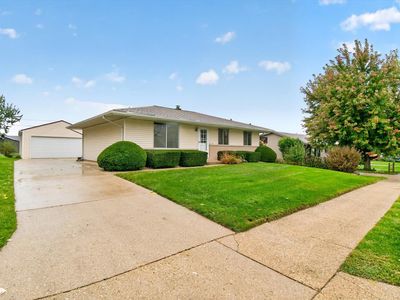
Here is the kind of property-level snapshot an investor should review before deciding whether a foreclosure deal is actually worth pursuing.
Investment Properties on Sale Today
Powerful tools to help you identify the most profitable investment opportunities



- Third, the financing has to match the property. Bridge financing and fix and flip loans usually make more sense when the asset needs speed and rehab. DSCR financing becomes more relevant when the property is already rent-ready. Before committing to either path, running the deal through Ziffy’s in-built Rental Property ROI Calculator and the Cash Flow Calculator is a simple way to pressure-test whether the deal still works after financing and carrying costs are included.
How to Do Foreclosure Due Diligence the Right Way
“Do your due diligence” is easy advice to give and not very useful unless you know what it means in practice.
Start with a preliminary title report.
What most guides do not mention is that you can order one before you make an offer. In many markets, it costs roughly $150 to $300 and can be turned around within 24 to 48 hours. A lot of investors wait until they are under contract. By then, walking away is slower, messier, and sometimes more expensive than it needed to be.
Then check county records for unpaid property taxes, code violations, open permits, and any obvious legal or physical red flags tied to the parcel.
If the property is in a flood-prone or hazard-sensitive location, verify it through FEMA’s Flood Map Service Center. FEMA identifies the MSC as the official public source for flood hazard information and flood mapping products created under the National Flood Insurance Program. That matters because flood exposure changes insurance cost, hold cost, and long-term risk.
If inspection is possible, do not treat the inspection as a formality. Bring both an inspector’s eye and a contractor’s mindset to the property. Sewer lines, electrical work, roof condition, drainage, and unpermitted additions are all capable of wrecking a tight deal.
Then confirm the loan strategy before you bid or offer.
Steven Glick,
Director of Mortgage Sales
Financing a Foreclosed Property: What Actually Qualifies
This is where most generic foreclosure articles stop short. They talk about risk, but they do not connect risk to the actual financing path.
Auction purchases
These usually need the fastest capital. Traditional underwriting often does not fit the timeline or the property condition.
Pre-foreclosure and short sale deals
These can sometimes work with more standard financing if the property is in livable condition and the transaction timeline allows for full underwriting.
REO purchases
This is usually the widest financing lane.
If the property needs speed and rehab, a bridge loan or fix and flip loan often makes more sense. If the property is already stabilized or can quickly become a rent-ready long-term rental, a DSCR loan may be the better hold structure.
Your financing path determines which foreclosure opportunities you can realistically participate in. Investors who only have long-term rental financing lined up are often best positioned for REO inventory, not auction inventory. That is not a weakness. It is simply a reminder that the best foreclosure strategy is the one that matches your actual execution capacity.
Final Take
Buying a foreclosed property is risky for investors who are relying on the discount to solve every other problem in the deal.
It is far less risky for investors who understand the stage they are buying in, verify title before they commit, inspect whenever possible, and choose financing based on property condition rather than wishful thinking.
For most investors, the safest entry point into foreclosure investing is the REO channel. You get more visibility, more time for real underwriting, and a better chance of aligning the deal with a workable financing structure.
That does not make it easy. It makes it more controllable. And in foreclosure investing, controllable is worth a lot more than cheap. For Investors who are still building their investing base before moving into distressed deals, our beginner’s guide to real estate investing is the better next step.
Rates, terms, and program availability depend on the property, borrower profile, loan purpose, and market conditions. They can change without notice and may vary based on your specific scenario.
FAQs
Does foreclosure wipe out all liens?
No. Some liens may be cleared through foreclosure, but not all of them disappear automatically. Lien priority, state law, and the type of foreclosure all matter. Federal tax liens are one of the clearest examples of why title review matters before you commit. That is why we recommend ordering a preliminary title report before making an offer, not after.
Can you get a mortgage on a foreclosed property?
Sometimes, yes. It depends on the foreclosure stage and the property’s condition. REO properties usually offer the most financing flexibility, while auction purchases are often much harder to finance with standard long-term loan products.
What is the biggest risk of buying a foreclosed property?
For most investors, the biggest risk is underestimating total cost. That usually comes from some combination of hidden repairs, title issues, occupancy problems, delayed timelines, and the wrong financing structure.
What happens if someone is still living in a foreclosed property?
You may not get immediate possession. The occupant could be the former owner, a tenant, or someone else with legal protections under state or local law. In some covered foreclosures, tenants may also be entitled to notice protections before eviction.
What is the difference between a foreclosure and an REO?
A foreclosure is the broader process tied to a distressed loan and forced sale. An REO is a property that has already gone through foreclosure and ended up owned by the lender or agency after it did not sell at auction.