







Editorial Integrity
Making sound real estate investment decisions begins with reliable, data-driven insights. At Ziffy.ai, we offer an AI-powered investment property search platform, proprietary data-driven trend analysis, investment mortgage programs like DSCR loans, and a network of over 500 investor-friendly real estate agents to deliver the expertise needed for informed decisions. Our content is crafted by experienced real estate professionals and backed by real-time market data, ensuring you receive accurate and actionable information. Through a rigorous editorial process, we strive to empower your investment journey with trustworthy and up-to-date guidance.
Key Takeaways:

1. Active listings are up 32% year over year, giving buyers more options and negotiation power.

2. Nearly 39% of builders have reduced prices, creating better entry points for investors.

3. Investors purchased one-third of all single-family homes in Q2 2025, the highest share in five years.

4. Rental yields in select Ziffy-tracked markets are averaging 8–10%, with some properties exceeding 20%.
Table of Contents
After nearly three years of volatile prices, fluctuating interest rates, and tight inventory, the US real estate market is showing signs of balance. This fall, investors are finding something that has been missing since the pandemic boom: leverage.
Builders are cutting prices, more listings are hitting the market, and seller competition is rising. Together, these shifts are creating a brief but meaningful buying window; one that experienced investors recognize as a strategic opportunity to enter or expand their portfolios.
Why Fall 2025 Is Different
According to Ziffy’s data, active listings this fall are up 32% year-over-year, reflecting one of the largest inventory increases since 2021. Builders are playing their part too, with nearly 39% of homebuilders lowering prices to clear unsold units before the end of the year.
Those price adjustments are now filtering into the resale market. Investors are finding motivated sellers and realistic pricing – a combination that was almost impossible to find in 2021 and 2022.
New home sales have been rising modestly since the start of the year, supported by incentives like rate buydowns, closing-cost credits, and design upgrades. But the bigger story is that builder sentiment is softening, which historically precedes a price reset and better entry points for investors.
Investor Activity Is Already Rising
One of the more telling signs that fall 2025 is a turning point: investors are returning. According to our report, investors purchased roughly one-third of all single-family homes sold in Q2 2025, the highest share in five years.
Unlike 2021’s speculative buying surge, today’s activity is more analytical. Investors are prioritizing cash flow, yield stability, and long-term rental performance over short-term appreciation. This disciplined approach reflects a mature investment cycle, where portfolio builders are shifting from chasing equity spikes to generating consistent income.
Falling Competition, Flexible Negotiations
During the spring and early summer, bidding wars were common in select markets. But by September, that intensity had cooled. Our data shows that homes now spend an average of 52 days on the market, compared to just 36 days during the same period last year.
That change gives investors room to negotiate. Sellers are more open to inspection contingencies, closing credits, or even creative financing terms to secure a deal.
This dynamic is creating a balanced environment, one where investors are not rushing against buyers but instead leveraging market softness to improve their entry cost.
Affordability and Financing Outlook
Mortgage rates remain elevated compared to the ultra-low era of 2020 – 2021, but they have edged down slightly from their midyear highs. As rates stabilize, investor borrowing power improves.
Moreover, with many owner-occupants sidelined due to affordability constraints, investors with ready capital are finding less competition for properties that generate strong returns.
Ziffy’s latest analysis highlights how this balance is playing out in real-time:
-
 115 Sharer, San Antonio, TX – A single-family property offering a 21.1% ROI with stable rental demand and DSCR-aligned cash flow potential.
 - 4001 Lone Oak Trl, Round Rock, TX – Listed at $600,000 with an estimated rent of $2,519 per month and a projected yield of 9.43%.
- 340 Shady Bluff Dr, Wimberley, TX – A higher-risk, higher-return deal priced at $299,900 with monthly rent potential of $4,769, delivering an ROI above 51%.
Investment Properties Listed Today on Sale in Texas




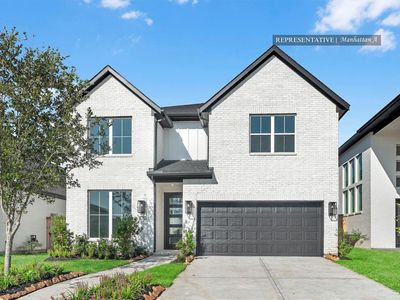
These examples demonstrate how real properties across Texas are aligning with investor goals in fall 2025: solid returns, reduced competition, and improved negotiation leverage.
Seasonal Trends Favor Quick Movers
Fall tends to bring urgency to the housing market. Many buyers and sellers want to close before the holidays, creating a short-term motivation cycle.
For investors, this means opportunities to acquire properties before end-of-year price adjustments or potential rate changes. Builders and sellers often introduce new incentives during this period, such as discounted upgrades or rate buydowns, to meet quarterly targets.
According to our analysis, even as sales volume fluctuates, the mix of rising inventory and motivated sellers has historically produced a favorable entry window in Q4, a trend likely to repeat this year.
Risks to Watch
While conditions are improving, investors should stay mindful of a few key risks.
- Interest rate volatility: The Federal Reserve’s next policy shift could affect short-term borrowing costs. It’s important to stress-test deals with a small rate buffer.
- Regional variation: Not every market is cooling at the same pace. While Sun Belt metros like Austin and Tampa are showing balanced conditions, parts of the Northeast and West Coast still face affordability challenges.
- Operational readiness: With rental demand steady but management costs rising, investors should evaluate property management expenses and local regulations before scaling.
Why This Moment Matters
Every market cycle offers a short window where conditions align for intelligent capital deployment. Fall 2025 appears to be that point when prices are flexible, financing is accessible, and rental demand continues to anchor property values.
The investors succeeding right now are the ones acting strategically. They’re using platforms like Ziffy.ai to analyze deals with precision, compare yield outcomes, and move decisively when the math works.
While no one can predict when the next upcycle begins, this quarter’s conditions are giving data-driven investors the breathing room they’ve been waiting for.
Conclusion
Fall 2025 isn’t just another buying season; it’s a recalibration point in the US housing market. Builders are cutting prices, sellers are negotiating, and investor activity is rising for the right reasons, not speculation, but strategy.
For anyone seeking stable returns and long-term growth, the numbers point in one direction: this fall could be the sweet spot.
Ziffy.ai continues to track rental yields, cash flow ratios, and DSCR-friendly listings across the country. Investors who position themselves now may look back at fall 2025 as the quarter that separated opportunity from hesitation.
FAQs
Why is fall 2025 considered a good time for real estate investors?
Inventory is growing, prices are more negotiable, and rental demand is holding strong. Builders are offering incentives and cutting prices, giving investors more leverage to buy income-producing properties at fair value.
Are mortgage rates expected to drop further this year?
Rates have eased slightly from their midyear highs, but no major decline is guaranteed. Even a small improvement can make a noticeable difference in monthly payments, so locking in a rate during this stable phase can work in an investor’s favor.
Which markets are showing the best returns right now?
Ziffy.ai data points to markets across Texas, including San Antonio, Round Rock, and Wimberley, where rental yields currently range from 8 to 21 percent. These markets are performing well thanks to job growth, steady population inflow, and healthy rental demand.
Should investors wait until 2026 for better opportunities?
Waiting might mean facing more competition or higher entry prices. Fall 2025 offers a rare balance of motivated sellers, negotiable pricing, and consistent rental returns. Investors who act now are better positioned to benefit from the next cycle’s appreciation.