







Editorial Integrity
Making sound real estate investment decisions begins with reliable, data-driven insights. At Ziffy.ai, we offer an AI-powered investment property search platform, proprietary data-driven trend analysis, investment mortgage programs like DSCR loans, and a network of over 500 investor-friendly real estate agents to deliver the expertise needed for informed decisions. Our content is crafted by experienced real estate professionals and backed by real-time market data, ensuring you receive accurate and actionable information. Through a rigorous editorial process, we strive to empower your investment journey with trustworthy and up-to-date guidance.
Key Takeaways:

1. In August 2025, REO (real estate owned) listings increased by 41% year over year.

2. Some states like Texas and North Carolina saw dramatic gains, e.g. Texas REOs spiked over 180%.

3. Bank-owned properties offer negotiation advantages, inspection opportunities, and flexibility, but also carry risks.

4. Savvy investors track REO trends by ZIP code, prepare due diligence, and act early.
Table of Contents
When a foreclosure property fails to sell at auction, it often ends up back in a bank’s portfolio. Those listings are referred to as REOs. August 2025 data shows a sharp rise in REOs, suggesting more distressed properties are completing the full foreclosure process.
For real estate investors, this increase matters. It affects market dynamics, deal flow, and competitive positioning. In this article, we’ll break down the numbers, examine state-level trends, explore opportunity zones, and offer strategies to stay ahead.
The August 2025 REO Surge: By the Numbers
In August 2025, approximately 4,077 bank-owned properties were recorded across the U.S.
That number represents a 41.12% increase compared to August of the prior year. It also rose about 5.46% compared to July 2025.
Here’s how select states performed:
State | Number of REOs in August 2025 | Year-over-Year Change |
|---|---|---|
Texas | 476 | +186.75% |
North Carolina | 151 | +112.68% |
California | 343 | +49.78% |
Florida | 276 | +36.63% |
Ohio | 142 | +10.08% |
Texas led by a wide margin, showing nearly triple the REO volume compared to the same month last year. North Carolina’s big jump also signals shifting stress in more markets. Even California’s nearly 50% increase stands out given its already high home values.
Why More Bank-Owned Homes Now?
What drives this uptick in REOs? Here are some considerations:
-
 The foreclosure pipeline is moving: more homes are proceeding past notice and auction stages.
 - Banks may be more willing to absorb properties now, rather than let them linger as nonperforming assets.
- Market stress and affordability issues may push more homeowners into distress.
- Properties that don’t sell at auction eventually revert to bank ownership, adding to the REO inventory.
What REOs Mean for Investors
Bank-owned properties differ from traditional foreclosure auctions or pre-foreclosure sales. Here are what such properties offer, and what to watch out for.
Advantages
- Negotiation with banks
You deal with institutional sellers rather than distressed homeowners. That can reduce emotional volatility in pricing.
- Due diligence friendly
Often you can inspect, run appraisals, check the title, and evaluate repairs before commitment.
- Financing ease
REOs tend to qualify under standard financing options better than auction purchases.
- Lower competition (sometimes)
In certain markets, fewer investors chase REOs relative to pre-auction deals.
- Tax-advantaged investment
For investors using self-directed IRAs or similar accounts, REOs can be a vehicle into real estate within tax-favored structures.
Risks and Challenges
- Repair and renovation costs
Many REOs need work. Underestimating rehab budgets can erode returns.
- Title and lien issues
Even after auction failure, outstanding liens or title defects may remain.
- Market competition in hot areas
In desirable zones, other investors will still compete hard for good REOs.
- Holding costs
Until a property is sold or leased, holding costs (taxes, insurance, maintenance) eat into margins.
State Spotlight: Where Opportunities Are Emerging
Looking at state data helps investors spot areas where bank-owned inventory is growing fastest:
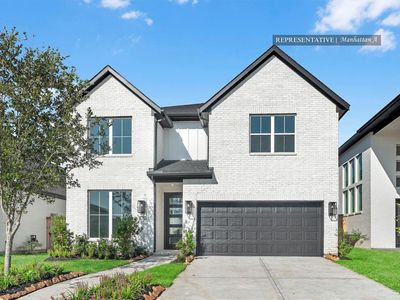
- Texas: With 476 REOs in August and a 186% year-over-year increase, the state is swelling with opportunity. Markets like Dallas, Houston, Austin, and San Antonio deserve attention.
Investment Property on Sale in Texas Today




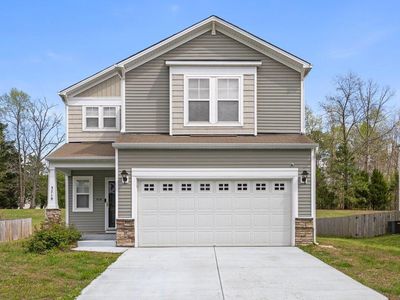
- North Carolina: The more than 100 % increase shows even hot growth states aren’t immune. Investors may find undervalued properties in Raleigh, Charlotte, or surrounding suburbs.
Investment Property on Sale in North Carolina Today


- California & Florida: Even in already expensive markets, REO growth suggests increased stress among homeowners. Pinpoint ZIP codes with concentrated REO activity.
Investment Property on Sale in California Today
- Midwestern states (Ohio, etc.): Slower but steady increases show opportunity in less over-heated markets where downside risk may be lower.
Investment Property on Sale in Ohio Today
How Investors Should Use This Data
To turn REO trends into actionable edge, apply these moves:
- Track across foreclosure stages
Monitor not just REOs but also foreclosure starts and notices of sale. That gives lead time into upcoming REO surges.
- Zero in on ZIP code clusters
Patterns often appear locally first. A county or ZIP code with accelerating REOs is a flag.
- Approach bank REO departments early
When you see growing inventory, begin relationships with lender REO units or asset managers to capture opportunities before they hit public listing.
- Build flexible capital
Having ready cash or financing is vital. REO windows may move fast in hot markets.
- Be meticulous with due diligence
Title reports, property inspection, lien checks, and realistic rehab budgets can make or break a deal.
- Diversify across markets
Don’t rely on one state or county. Spread risk across regions showing elevated REO growth.
Conclusion
The 41% jump in bank-owned property listings in August 2025 signals something important: more distressed assets are making it through the full foreclosure cycle. For real estate investors, that means increased inventory, potentially better deals, and new avenues for acquiring discounted assets.
But opportunity comes with responsibility. The best investors will monitor trends by market, move swiftly, inspect with care, and build relationships with banks. If you can do that, you stand a better chance of turning these rising REOs into profitable real estate investments.
FAQs
Does a higher REO count always mean better deals?
Not always. More REOs may generate more competition or reveal deeper structural issues in some properties. It means opportunity, but not always value.
How soon should I act when REOs rise?
Start as early as the notice of sale stage. If you wait until properties are bank owned, you may lose first-mover advantage.
Can I finance REOs like normal property purchases?
In many cases yes. REOs often meet requirements for conventional loans because they’re not sold “as-is” at auction.
Are REOs safe for passive investors?
Yes, with checks in place. Use good property managers, build in reserves for repairs, and factor holding cost risks.
Should I focus on states with the biggest REO growth?
Growth is a signal, but also look at market fundamentals, such as rent demand, population trends, and economic health. Don’t chase volume alone.