






Editorial Integrity
Making sound real estate investment decisions begins with reliable, data-driven insights. At Ziffy.ai, we offer an AI-powered investment property search platform, proprietary data-driven trend analysis, investment mortgage programs like DSCR loans, and a network of over 500 investor-friendly real estate agents to deliver the expertise needed for informed decisions. Our content is crafted by experienced real estate professionals and backed by real-time market data, ensuring you receive accurate and actionable information. Through a rigorous editorial process, we strive to empower your investment journey with trustworthy and up-to-date guidance.
Key Takeaways:

1. Columbus, Ohio ranks first overall, outperforming more traditional markets thanks to strong fundamentals, affordability, and high liquidity.

2. Raleigh, North Carolina, and Nashville, Tennessee follow closely, both driven by steady population inflows and thriving labor markets.

3. Secondary metros such as Providence, Richmond, and Grand Rapids are gaining traction, showing that smaller cities can compete with larger hubs.

4. The Midwest is proving its strength through affordability and stability, while the Sun Belt continues to lead population growth.

5. Affordability remains the dividing line: cities with lower rent burdens attract and retain renters, while coastal hubs face growing challenges.
Table of Contents
The multifamily market in 2025 isn’t moving in one direction. Interest rates are still higher than what many investors grew used to before the pandemic, but pricing has steadied, and opportunities are opening up in certain metros. The big question is: where should real estate investors look right now?
At Ziffy, we analyzed the 50 largest metropolitan areas in the country using a framework that weighed ten critical factors, from rental affordability and liquidity to population growth and climate resilience. The results highlight the metros that are best positioned for multifamily investment this year and reveal broader trends shaping the market.
Ziffy’s Methodology: How We Built This Ranking?
Our research approach was built to show how real estate investors think about long-term capital usage. We factored in lending activity, market fundamentals, tax conditions, job growth, demographic patterns, vacancy levels, affordability, and climate risk.
Each metric was weighted equally to create a balanced and comparable ranking across metros. The outcome is not simply a list of cities but a roadmap that shows where multifamily investments are most likely to hold value in the years ahead.
The Top Multifamily Investment Markets of 2025
Here are the top 10 multifamily markets, as well as their composite score, based on Ziffy’s research:
Rank | Metro | Score | Highlights |
|---|---|---|---|
1. | Columbus, OH | 0.57 | Affordable rents, strongest lending per capita, steady growth |
2. | Raleigh, NC | 0.43 | Young renter base, rising wages, strong job market |
3. | Nashville, TN | 0.33 | Low unemployment, cultural draw, diversified economy |
4. | Providence, RI | 0.24 | Affordable alternative near Boston, education and healthcare hub |
5. | Charlotte, NC | 0.21 | Rapid inflows, financial and business center |
6. | Richmond, VA | 0.19 | Diverse economy, affordability, stable fundamentals |
7. | Grand Rapids, MI | 0.19 | Affordable Midwest market with strong momentum |
8. | Houston, TX | 0.16 | Population growth above 2 percent, energy, and tech growth |
9. | Milwaukee, WI | 0.16 | Improving fundamentals, Midwest stability |
10. | Orlando, FL | 0.15 | Fastest population growth in the nation at 2.7 percent |
1. Columbus, Ohio
Columbus leads the rankings thanks to its balanced fundamentals. Affordable rents, steady population growth, and the highest multifamily lending volume per capita among all metros make it a standout. Real estate investors are drawn to its business-friendly climate and new development projects.
Investment Properties Listed Today on Sale in Columbus, Oh


2. Raleigh, North Carolina
Raleigh benefits from a deep pool of young renters and one of the strongest labor markets in the nation. Wage growth is robust, and the Research Triangle continues to attract global employers. Population growth of 2.6 percent last year reinforces its long-term demand outlook.
Investment Properties Listed Today on Sale in Raleigh, NC


3. Nashville, Tennessee
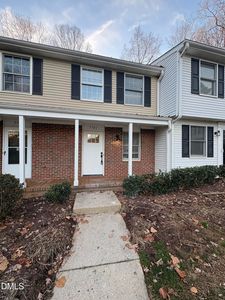
Nashville combines cultural appeal with a thriving economy. Global firms like Oracle and Amazon are expanding, strengthening its labor market. With unemployment at just 3.0 percent, it offers a stable base for rental demand alongside steady population inflows.
Investment Properties Listed Today on Sale in Nashville, TN



4. Providence, Rhode Island
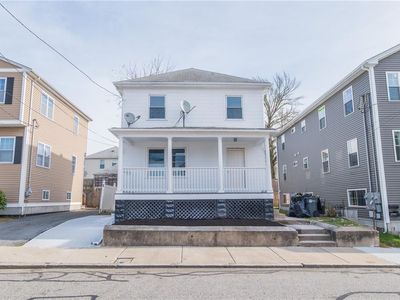
Providence is climbing fast, moving into the top five. Affordability compared to nearby Boston and a growing healthcare and education sector have boosted investor interest. Its smaller size creates agility, with room for further growth.
Investment Properties Listed Today on Sale in Providence, RI

5. Charlotte, North Carolina
Charlotte has become a financial and business hub in the Southeast. It ranked among the fastest-growing metros in 2024, with strong population inflows and relatively affordable rents compared to larger coastal cities.
Investment Properties Listed Today on Sale in Charlotte, NC



6. Richmond, Virginia
Richmond offers a mix of affordability, population stability, and a diverse labor market. Its role as both a historic and growing metro has made it appealing for multifamily development and investment.
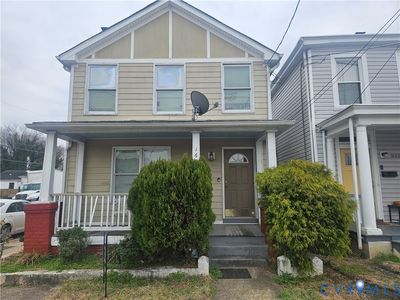
Investment Properties Listed Today on Sale in Richmond, VA


7. Grand Rapids, Michigan
Grand Rapids has proven resilient in the Midwest, combining affordability with an expanding economy. Investors are recognizing it as an alternative to more saturated markets, with strong fundamentals and long-term appeal.
Investment Properties Listed Today on Sale in Grand Rapids, MI



8. Houston, Texas
Houston’s size and energy-driven economy make it one of the most dynamic Sun Belt metros. Population growth above 2 percent in 2024 underscores its ability to attract new residents. While affordability has tightened, Houston remains a key growth hub.
Investment Properties Listed Today on Sale in Houston, TX



9. Milwaukee, Wisconsin
Milwaukee has stood out as a Midwest market with improving fundamentals. It ranks among the metros performing above average in multifamily sector health, offering stability for investors.
Investment Properties Listed Today on Sale in Milwaukee, WI



10. Orlando, Florida
Orlando posted the highest population growth rate of any large metro last year at 2.7 percent. Its tourism-driven economy continues to expand into technology and healthcare, making it a long-term destination for residents and capital.
Investment Properties Listed Today on Sale in Orlando, FL
What is Driving the Rankings?
Rental Affordability
Markets like Buffalo, Birmingham, and Cleveland are showing how affordability sustains rental demand. Columbus, Grand Rapids, and Milwaukee are also benefitting from being cost-competitive alternatives to larger coastal hubs.
Here are the most and least affordable multifamily markets in 2025:
Metro | Minimum Annual Income Needed | Affordability Rank |
|---|---|---|
Buffalo, NY | $52,687 | Most affordable |
Birmingham, AL | $53,497 | Most affordable |
Oklahoma City, OK | $54,376 | Most affordable |
Cleveland, OH | $54,734 | Most affordable |
St. Louis, MO | $55,133 | Most affordable |
San Jose, CA | $129,433 | Least affordable |
New York, NY | $127,726 | Least affordable |
Boston, MA | $123,108 | Least affordable |
San Diego, CA | $120,392 | Least affordable |
San Francisco, CA | $119,535 | Least affordable |
Population Growth and Migration
Sun Belt cities continue to attract the most residents. Orlando, Houston, and Raleigh lead in annual growth rates, reinforcing their rental market strength.
Metro | Annual Population Growth (2024) |
|---|---|
Orlando, FL | 2.7% |
Houston, TX | 2.6% |
Raleigh, NC | 2.6% |
Austin, TX | 2.3% |
Dallas, TX | 2.2% |
Charlotte, NC | 2.2% |
Jacksonville, FL | 2.2% |
Miami, FL | 1.9% |
Las Vegas, NV | 1.9% |
San Antonio, TX | 1.7% |
Liquidity and Lending Flows
Columbus, Denver, and Virginia Beach recorded the highest multifamily lending volumes per capita in 2024. Strong lending activity reflects investor confidence and creates liquidity for future deals.
Market Fundamentals
Nashville, Milwaukee, and Cincinnati have all performed above long-term averages in multifamily fundamentals, supported by solid rent growth, absorption, and valuations.
What Does 2025 Have in Store for Multifamily Investors?
The multifamily sector is adjusting to new realities, but opportunity remains abundant. Investors should focus on metros that bring together three things: affordability that keeps demand steady, liquidity that supports transactions, and population inflows that drive long-term growth.
Columbus, Raleigh, and Nashville are leading the way, but the rise of Providence, Richmond, and Grand Rapids shows that smaller markets are becoming equally important. The Sun Belt continues to deliver growth, while the Midwest offers resilience. Together, these markets are shaping the multifamily landscape for the next cycle.
FAQs
Which city is the strongest choice for multifamily investment in 2025?
Columbus, Ohio. It combines affordability, steady population growth, and the highest multifamily lending per capita in the country, making it a market where capital is both active and resilient.
Which cities are growing fastest?
Orlando, Houston, and Raleigh led in population growth in 2024, each exceeding 2 percent.
Why are Midwest cities performing well?
Midwest metros like Columbus, Grand Rapids, and Milwaukee combine affordability with stability, making them attractive for investors seeking steady returns.
Are coastal cities still competitive?
Coastal hubs face higher affordability challenges. While they remain economic centers, the rent burden makes them less appealing for multifamily demand compared to Midwest and Sun Belt markets.
What should real estate investors focus on in 2025?
Key drivers include affordability, population growth, labor market strength, and liquidity. Markets that score well across these factors are likely to deliver stronger returns.
At Ziffy, we ensure the reliability of our content by relying on primary sources such as government data, industry reports, firsthand accounts from our network of experts, and interviews with specialists. We also incorporate original research from respected publishers when relevant.